Understanding Bounce Castles: What They Are and How They Work
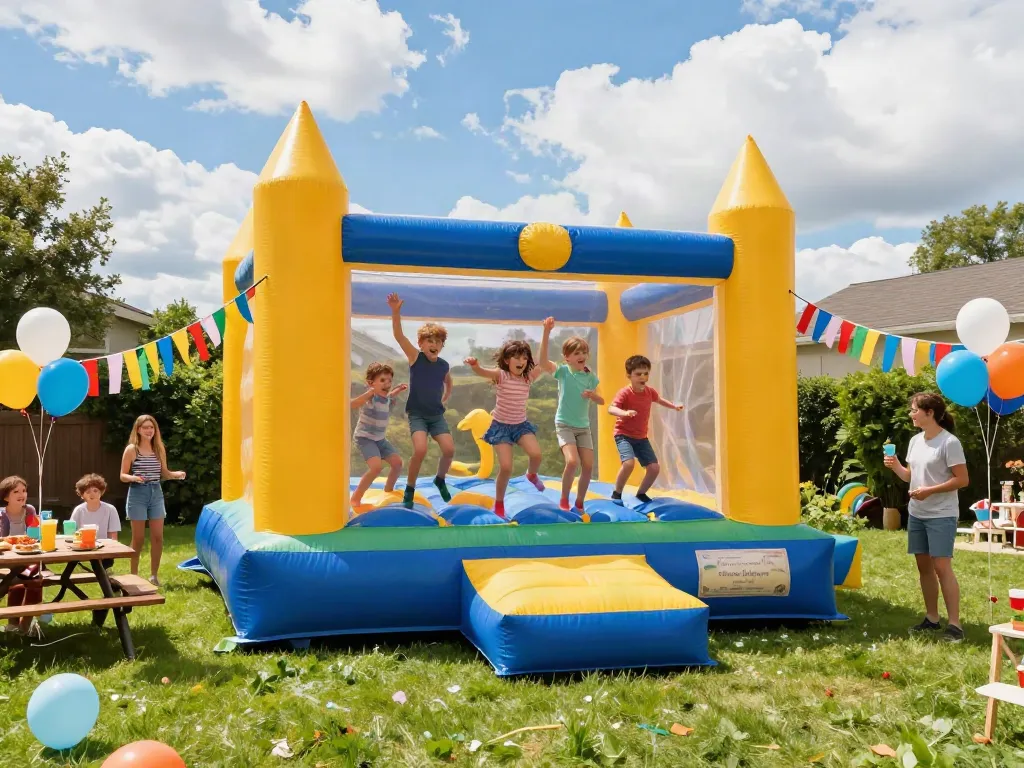
Bounce castles, often referred to as inflatable bounce houses or simply bouncy castles, have become a staple of children's entertainment at parties and events. These colorful, inflatable structures provide a fun and safe environment for kids to jump, play, and engage in physical activity. Beyond their entertainment value, bounce castles offer numerous benefits, including promoting physical fitness, social interaction, and imaginative play. As we delve deeper into the world of bounce castles, we will explore their various features, safety aspects, and how they can enhance any gathering. When exploring options, bounce castle choices abound for creating memorable moments.
What is a bounce castle and its benefits?
A bounce castle is an inflatable structure designed for children to jump, bounce, and play in a safe environment. They come in various shapes, sizes, and themes, making them suitable for different occasions, from birthday parties to school fairs. The primary benefits of bounce castles include:
- Physical Exercise: Jumping in a bounce castle is a great way for kids to engage in physical activity, helping to promote cardiovascular health and muscle development.
- Social Interaction: Bounce castles encourage children to play together, fostering friendships and improving social skills.
- Imaginative Play: Many bounce castles feature themes that allow children to immerse themselves in imaginative scenarios, enhancing creative play.
How safe are bounce castles for children?
Safety is paramount when it comes to bounce castles. Most inflatable structures are designed with safety features, such as netted sides for visibility and proper ventilation to reduce the risk of injury. However, parental supervision is crucial to ensure safe play. Always check for the following:
- Ensure the bounce castle is anchored securely to prevent it from tipping over.
- Limit the number of children allowed inside at one time to avoid overcrowding.
- Regularly inspect the inflatable for any defects or damage before use.
Installation and setup tips for a bounce castle
Setting up a bounce castle can be a straightforward process if done correctly. Here are some tips for a successful installation:
- Choose the Right Location: Select a flat, open area away from obstacles like trees, fences, and sharp objects.
- Inflate Properly: Follow the manufacturer's guidelines for inflating the bounce castle to ensure it is fully inflated and stable.
- Monitor Conditions: Be aware of weather conditions; avoid setup during high winds or rain to ensure safety.
Common Myths About Bounce Castles: Debunking Misconceptions
Despite their popularity, several myths surround bounce castles that can deter potential users. Debunking these misconceptions is essential for informed decision-making.
Are bounce castles only suitable for large events?
One common misconception is that bounce castles are only appropriate for large gatherings, but this isn't true. Various sizes of inflatable bounce houses are available, catering to intimate backyard parties just as effectively as larger events. Portable and compact models make them accessible for small family gatherings or community functions.
Is renting a bounce castle expensive?
While there can be costs associated with renting a bounce castle, various rental options cater to different budgets. Prices often vary based on size, features, and rental duration. Many companies offer affordable packages for smaller events, making it feasible for nearly any occasion.
Do bounce castles require extensive supervision?
It is essential to have adult supervision, but it doesn't need to be extensive. Assigning a responsible adult to monitor the bounce castle can ensure safety without requiring constant supervision. They can manage the number of children playing and enforce safety rules, allowing parents to enjoy the event.
Choosing the Right Bounce Castle for Your Event
Selecting the ideal bounce castle for your event involves considering several factors. Each decision can significantly impact your guests' enjoyment and safety.
Factors to consider when selecting a bounce castle
When considering a bounce castle, assess the following:
- Age Appropriateness: Ensure the castle is designed for the age group attending your event.
- Capacity: Consider how many children will be playing at once; choose a size that accommodates them without overcrowding.
- Themes and Designs: Select a design that matches the event's theme, whether it's a birthday party, school event, or community gathering.
Different types of bounce castles available
Bounce castles come in various designs, including:
- Standard Bounce Houses: Basic models ideal for general jumping and playing.
- Combo Bounce Houses: These include additional features, such as slides or obstacle courses.
- Themed Bounce Castles: These offer unique designs based on popular characters, animals, or fairytales.
How to measure space requirements for installation
Proper spacing is crucial for safe bounce castle setup. Measure the intended area and ensure sufficient clearance around the inflatable. Consider the height of the bounce castle and any added features like slides to avoid injury or property damage.
Safety Guidelines and Best Practices
Ensuring safety during bounce castle use is essential for a positive experience. Proper guidelines can minimize risks and create a fun atmosphere.
Essential safety measures for bounce castle use
To keep children safe while enjoying a bounce castle, implement the following measures:
- Ensure that children remove shoes, glasses, and jewelry before entering the bounce castle.
- Establish clear rules about safe jumping and play, emphasizing no roughhousing.
- Set a maximum number of jumpers in the castle at once based on its size.
Common injuries and how to prevent them
While bounce castles are generally safe, injuries can occur. Common injuries include sprains, fractures, or cuts. To prevent these:
- Enforce jumping rules to prevent collisions and falls.
- Monitor play for excessive roughhousing or inappropriate behavior.
- Be mindful of age differences among the jumpers.
Weather considerations for bounce castle usage
Weather can significantly affect the safety and enjoyment of bounce castles. Always check the forecast prior to setup. Avoid using the bounce castle during rain, strong winds, or other inclement weather conditions. Protecting children from potential hazards is crucial.
Future Trends in Bounce Castles: What to Expect in 2026
As technology and design progress, bounce castles evolve to enhance user experiences. Here’s a look at emerging trends that may shape the industry going forward.
Innovative designs and features in bounce castles
A trend towards interactive and multi-functional bounce castles is emerging. Features like built-in games, interactive LED lights, and sound systems are becoming more common, adding a new dimension of play.
Eco-friendly materials and sustainability in bounce castles
As eco-consciousness grows, manufacturers are increasingly using sustainable materials and production methods. Expect more bounce castles made from recycled or environmentally friendly materials that minimize environmental impact.
The role of technology in enhancing bounce castle experiences
Technology integration, such as mobile apps for reservations and real-time monitoring of usage stats, is expected to rise. These innovations can streamline operations for rental companies and enhance user experiences.
What is a bouncy castle called?
Bouncy castles are technically known as inflatable bounce houses or simply bounce houses. Different regions may use varying terminology, but the essence remains the same—fun-filled play.
Why are bouncy castles so expensive?
The cost of bounce castles can be attributed to several factors, such as materials, safety features, and manufacturing processes. High-quality models designed for durability and safety often come at a premium.
Can my 2-year-old go in a bounce house?
Most bounce castles are suitable for toddlers, but it's essential to choose models specifically designed for younger age groups. Always supervise small children to ensure their safety during play.